
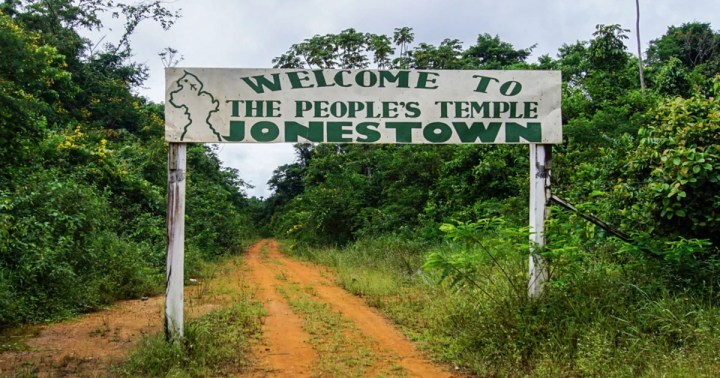
Eiffel Tower, Statue of Liberty, London Eye, and now Jonestown is lined up to be a new tourist attraction for $650 per person? Isn’t it morally and ethically wrong? *warning – graphic imagery*
Not many things surprise me, but this startled me. If you don’t know the backstory behind the abhorrent event dating back to 1978, it all begins with one individual – Jim Jones, a cult leader and mass murderer.
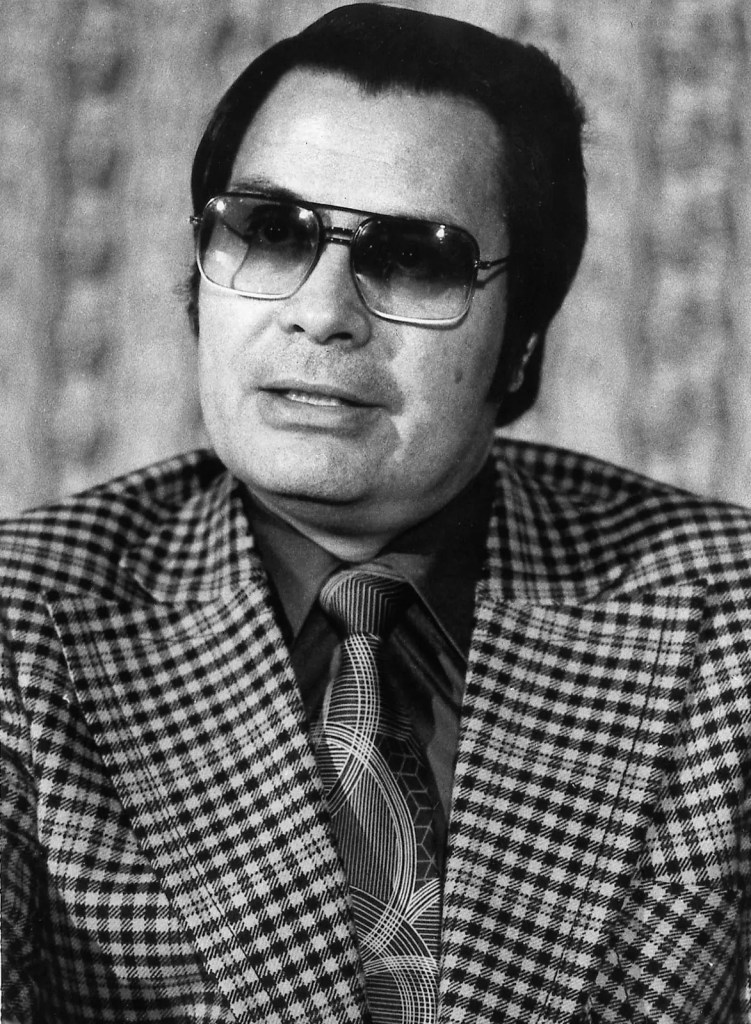
He founded and led ‘The Peoples Temple’ – an American religious movement in Indiana, in 1955. The movement purported to practice what it called “apostolic socialism. From an early age, he sought inspiration from the likes of Adolf Hitler, Joseph Stalin, Mao Zedong, later idealising and praising Stalin and Vladimir Lenin as heroes.
After establishing the Temple, Jim received considerable criticism in Indiana for his integrationist views, later moving to Redwood Valley, California in 1965. During the early 1970s, the temple opened additional branches in Los Angeles and San Francisco, eventually moving its headquarters to San Francisco.
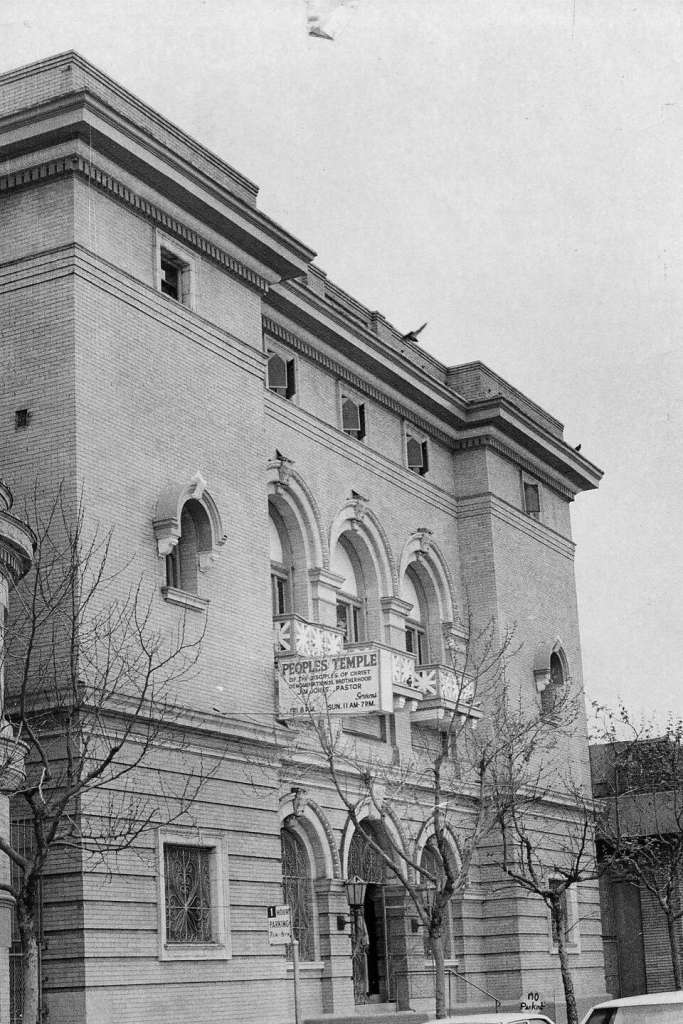
The move to San Francisco proved to be highly advantageous for the Temple’s exposure and popularity, particularly increasing political involvement and high rates of approval from local governing officials. After the Peoples Temple proved instrumental in the mayoral election victory of George Moscone in 1975, Moscone appointed Jones as the chairman of the San Francisco housing authority, giving him access to a vast array of people, due to his newly-instated prominence.
Increasing public support in California gave Jones access to several high-ranking political figures, including vice presidential candidate Walter Mondale and First Lady Rosalynn Carter. Mingling in such high societal circles enabled the tragedy that was to come in 1978, stemming from such power and authority.
Years earlier in autumn 1973, after criticism and unfavourable PR came to the surface alongside the defection of eight Temple members, Jones and temple attorney Timothy Stoen, prepared an “immediate action” contingency plan for responding to police or media breakdown, aka a detour from any opposition. The plan listed various options, including fleeing to Canada or to a “Caribbean missionary post” such as Trinidad or Barbados. It was quickly decided Guyana would be the chosen land, initiating research on its economy and extradition treaties with the United States. In October 1973, directors of the temple passed a resolution to establish agricultural mission there. This was the beginning of Jonestown.
Later, Guyanese Prime Minister Forbes Burnhamstated that Jones may have “wanted to use cooperatives as the basis for the establishment of socialism, and maybe his idea of setting up a commune meshed with that.” Jones thought that Guyana was small, poor and independent enough for him to easily obtain influence and official protection.
Jones and the Temple negotiated a lease of over 3,800 acres (1,500 ha) of land in the jungle located 150 miles (240 km) west of the Guyanese capital of Georgetown. In 1976, Guyana approved the lease. The site, located near the disputed border with Venezuela, was isolated and had soil of low fertility. The nearest body of water was seven miles away by muddy roads.
500 members began the construction of ‘Jonestown’, all the while encouraging more to relocate to the settlement and way of life. Jim advertised the new holding as “socialist paradise” and a “sanctuary” away from prying eyes or scrutiny. The propaganda was short lived, members soon realised after selling their homes and investing life savings into the organisation, it was a strenuous manual labour regime, comparable to modern slavery. For the first several months, Temple members worked six days a week, from approximately 6:30 a.m. to 6:00 p.m., with an hour for lunch.
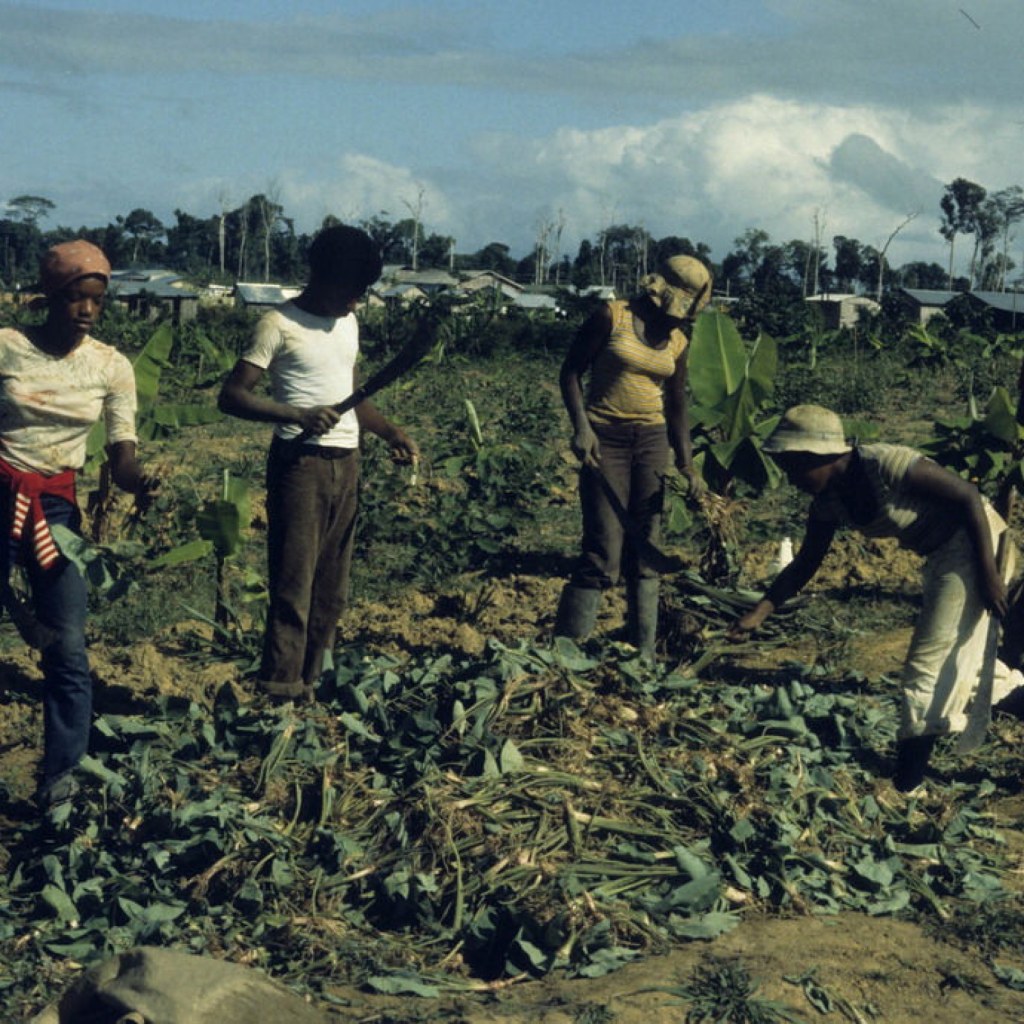
Entertaining movies from Georgetown that the settlers had watched were mostly canceled in favor of Soviet propaganda shorts and documentaries on American social problems. School study and nighttime lectures for adults turned to Jones’ discussions about revolution and enemies, who was displaying signs of acute paranoia and delusions due to his worsening addiction to drugs.
Overtime, the Temple would gradually subject its followers to sophisticated mind control and behaviour modification techniques borrowed from Mao Zedong and Kim Il-sung. Jones would often read news and commentary, including items from Radio Moscow and Radio Havana. Jonestown had closed-circuit television system so external outlets could not be accessed, no matter how innocent or politically neutral it may be. Recorded tv or film was not permitted.

Jones was said to be abusing injectable Valium, Quaaludes, stimulants and barbiturates. Audio tapes of 1978 meetings exhibit jones complaining of high blood pressure, small strokes, weight loss of thirty to forty pounds within the span of two weeks, temporary blindness, convulsions and, in his final month – abnormal swelling of the extremities. Voice often sounding slurred, with words jumbling together or being skipped over.
For members who attempted to escape, drugs such as Valium, Thorazine, Demerol were forcibly administered. Armed guards patrolled the grounds night and day to enforce Jonestown rules and occupants.
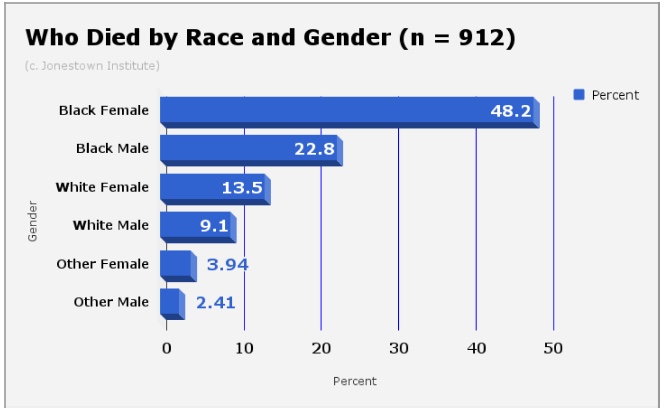
African Americans made up approximately 70% of Jonestown’s population. 45% of Jonestown residents were African American women.
Fast forward to 14th November 1978, congressman Leo Ryan flew to Georgetown along with his delegation of 19; including legal advisors, reporters and concerned relatives. When the Ryan delegation arrived in Guyana, Jones’ attorneys Mark Lane and Charles Garry initially refused to allow them access to Jonestown. However by the morning of 17th November 1978, growing tired of their lack of cooperation, they informed Jones that Ryan would likely leave for Jonestown that afternoon regardless. Only Ryan and his-then legal advisor – Jackie Speier were initially accepted into Jonestown alongside Lane and Garry, while the rest of Ryan’s group were allowed in after sunset.

That night, everyone was allowed to attend a musical reception in the pavilion. Jones had organised rehearsals on how to convince Ryan’s delegation that everyone was happy and in good spirits, as verified by audio tapes recovered by investigators.
Two Temple members, Vernon Gosney and Monica Bagby, made the first move for defection that night. In the pavilion, Gosney mistook NBC reporter Don Harris for Ryan and passed him a note, reading, “Dear Congressman, Vernon Gosney and Monica Bagby. Please help us get out of Jonestown.”
In the early morning of 18th November, eleven Temple members sensed danger enough to walk out of Jonestown and all the way to the town of Matthew’s Ridge, in the opposite direction from the Port Kaituma airstrip. More defectors asked to be escorted out of Jonestown by the Ryan delegation. After a sudden violent rainstorm broke out, emotional scenes developed between family members then eruption followed with deadly consequences.
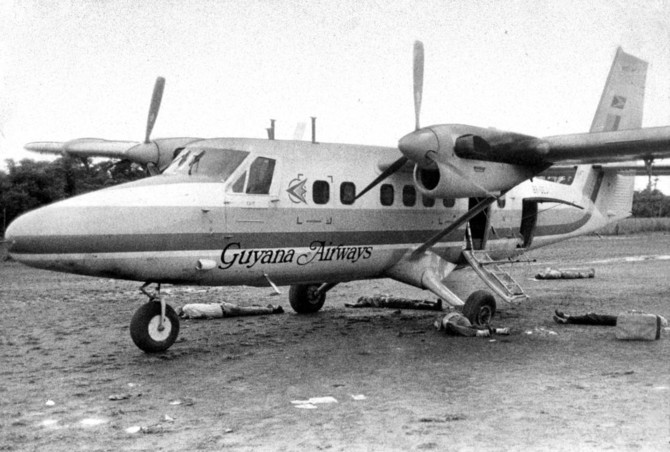
The first few seconds of the shooting were captured on video by NBC cameraman Bob Brown who was killed along with Greg Robinson (examiner photographer), Don Harris (NBC reporter) and temple defector Patricia Parks in the first few minutes of the shooting. Leo Ryan was assassinated after being shot more than 20 times. Nine more of Ryan’s delegation were injured in and around the twin otter aircraft. The damaged aircraft and the injured Ryan delegation members were left behind on the airstrip.
Back in Jonestown, aides prepared a large metal tun with grape Flavor Aid, poisoned with a concoction of diphenhydramine, promethazine, chlorpromazine, chloroquine, diazepam, chloral hydrate and cyanide. Jim jones ordered temple members to commit revolutionary suicide.
According to escaped Temple member Odell Rhodes, the first to take the poison were Ruletta Paul and her one-year-old infant. A syringe without a needle fitted was used to squirt poison into the infant’s mouth, after which Paul squirted another syringe into her own mouth. The poison caused death within five minutes for children, less for babies and an estimated twenty to thirty minutes for adults.
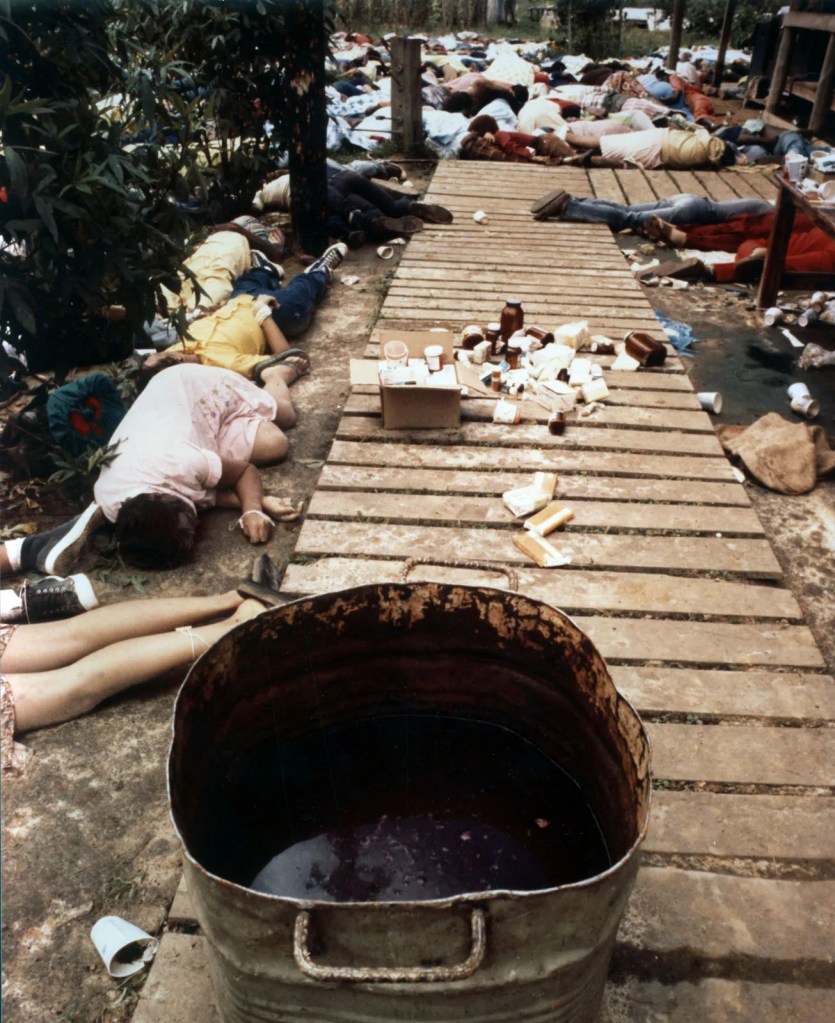
The crowd was surrounded by armed guards, offering members the basic dilemma of death by poison or death by a guard’s hand. Rhodes described a scene of both hysteria and confusion as parents watched their children die from the poison. He also stated that most present “quietly waited their own turn to die” and that many of the assembled Temple members “walked around like they were in a trance.” Survivor Tim Carter later suggested that, like a previous practice, that day’s lunch of grilled cheese sandwiches may have been tainted with sedatives. Cries and screams of children and adults are audibly heard on the death tape. As more Temple members died, eventually the guards themselves were called in to die by poison.
Jim Jones was found dead by a single self-inflicted gunshot wound.
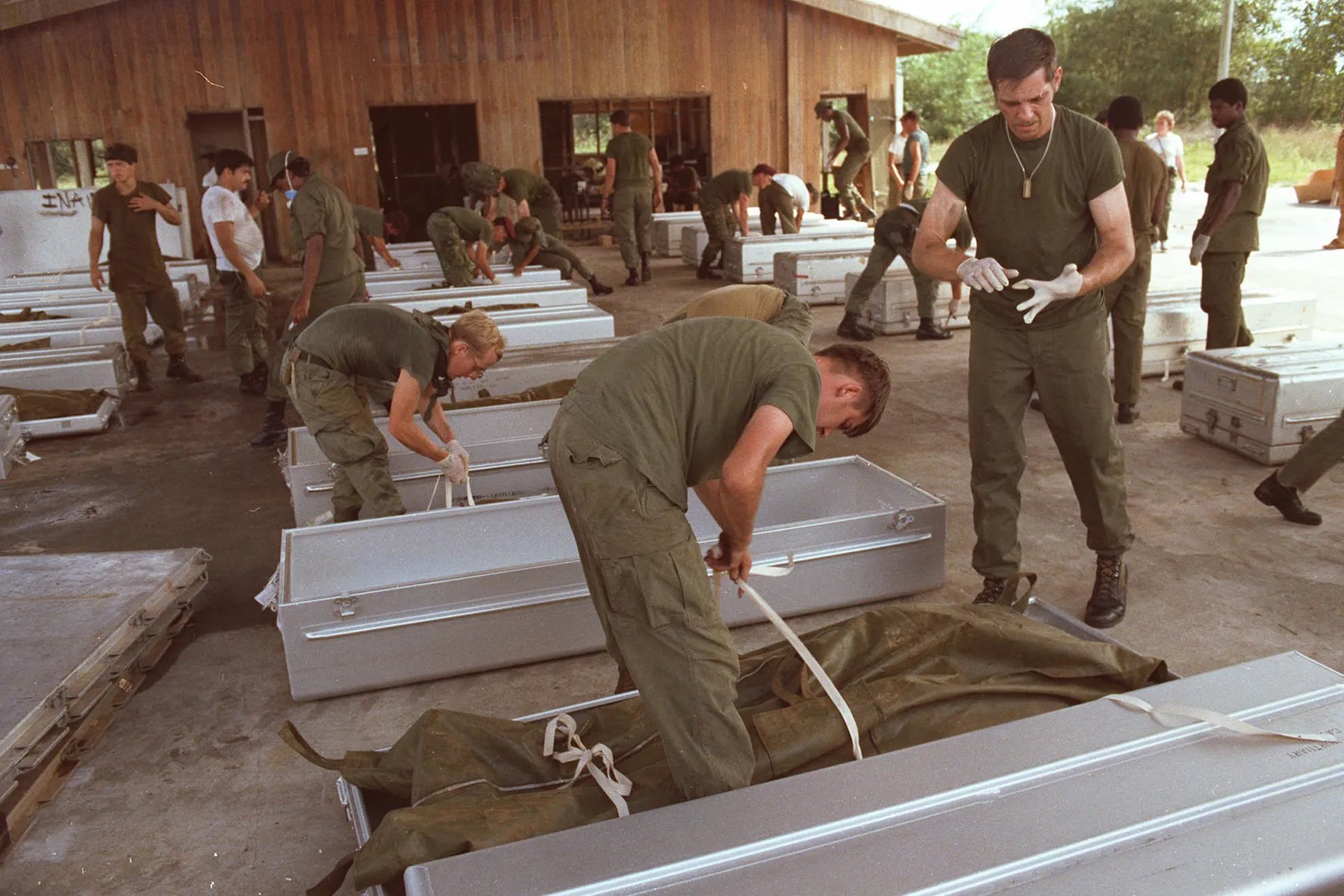
After hearing such tragedy and knowing all the lives lost in Jonestown, how could anyone even attempt to make this into a tourist attraction? A total of 918 lost their lives here, far from voluntarily. The first group of visitors is already scheduled to visit this month, priced at $650 per person. How would you ensure you get your money’s worth?
It’s sickening that we’re able to price a mass massacre almost like a bounty head. Profiteering off of members of the same family dying, babies being killed and government officials trying to help and being assassinated as the result is unfathomable. I think the human race is far too eager to treat situations like memorabilia in a way. Refer to titanic as an example. Billionaires and businessmen were on board the submarine were eager to witness the doomed voyage in real time. When do we humanise the souls we’ve lost in the same respect and dignity as we would honour and show privacy for our own immediate family.
You may say, it’s important to observe historic events, which I agree with unreservedly. You also may think of Auschwitz tour or 9/11 Ground Zero and how those extreme events have been monetised. But there’s a difference, there’s not a fee incurred for you to pay your respects. Guided tour’s are priced, modestly. But trying to make massacres into an overnight home stay is morally questionable. On both sides of the coin.
What do you think? Should Jonestown be a tourism attraction? Is this distasteful or innovative? Would you have an overnight stay at Jonestown? Is $650 to high or a fair price point? Comment below!
 Beauty File
The place should be buried under ten feet of dirt and blocked off forever. Pure evil. I was in High School in 1978.
LikeLiked by 1 person
Tragic that such a deception happened.
LikeLike
Now it seems I’ve absolutely heard everything.
Turning Jonestown into a money making tourist attraction.
I suppose the next thing on the agenda of increasing global lunacy is the announcement that Disney will be buying it and providing rides and an amusement park.
Which given the way the world is going would not surprise me in the least.
LikeLiked by 1 person
Making Jonestown a tourist spot could be disrespectful to the memory of the victims and the trauma that survivors and their families went through.
LikeLike
I’ve read about this and I’ve seen documentaries about this event and I vaguely remember the news from when it happened. I was a kid at the time. As for it being a tourist attraction. I think it all depends on how it is done. We already have the Tuol Sleng Genocide Museum in Phnom Penh and the death camps in Poland. They serve as warnings.
LikeLike
Capitalism…
The tragic events of that day show the dangers to having blind belief.
LikeLike
I see in his comment, Thomas mentions other places that have been opened as historical sites. From the accounts I’ve heard of people visiting places like Auschwitz, there is an important component of historical education. Tourist attraction? No thank you; that would be tacky and disrespectful.
LikeLike
I see in his comment, Thomas mentions other places that have been opened as historical sites. From the accounts I’ve heard of people visiting places like the WWII death camps, there is an important component of historical education. Tourist attraction? No thank you; that would be tacky and disrespectful.
LikeLike
I strongly agree with you, Antonia.
LikeLike
It’s disgusting! Such a tragedy should be recalled, but not that way.
LikeLike
Nobody should be making money off this.
LikeLike